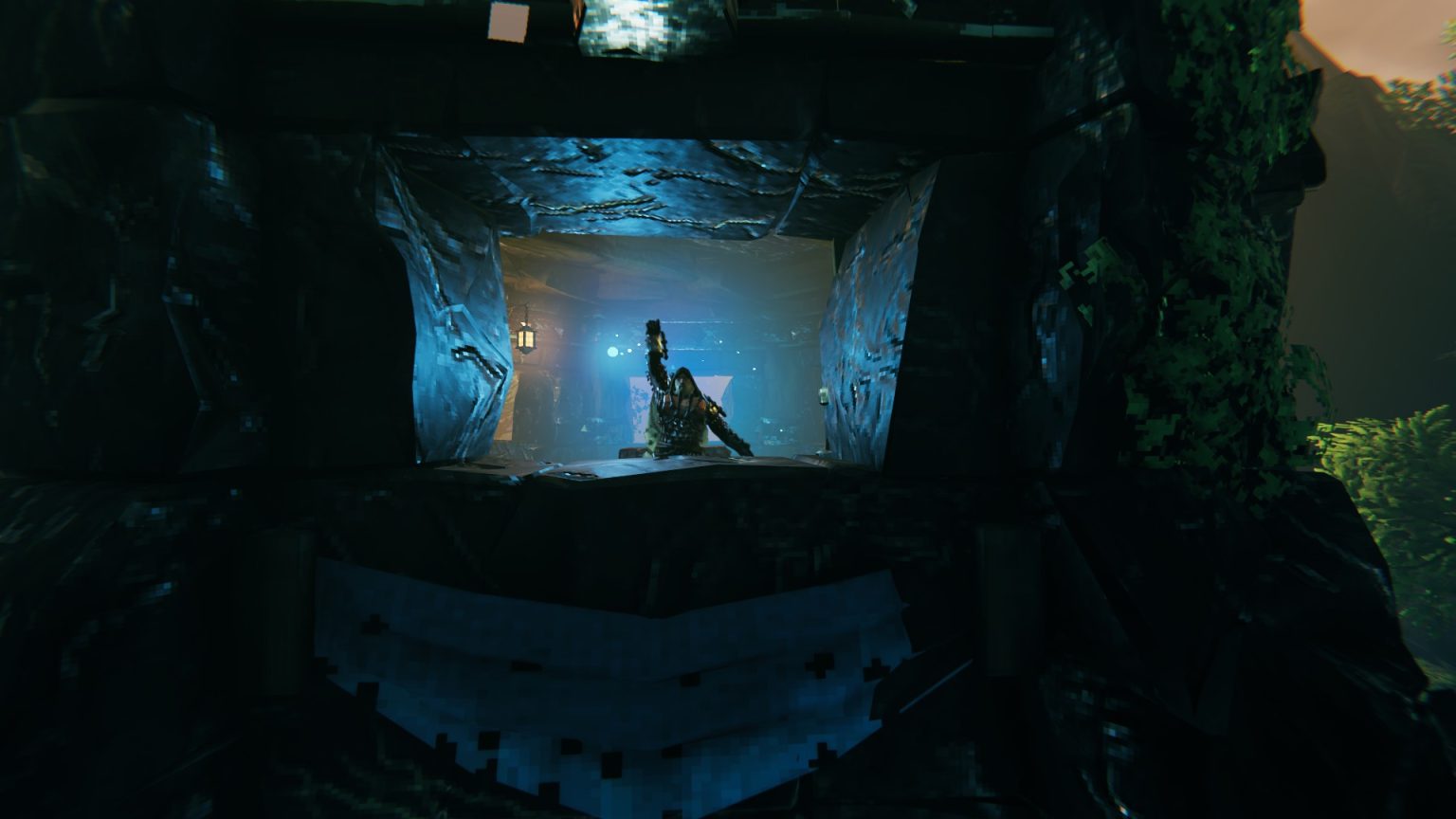
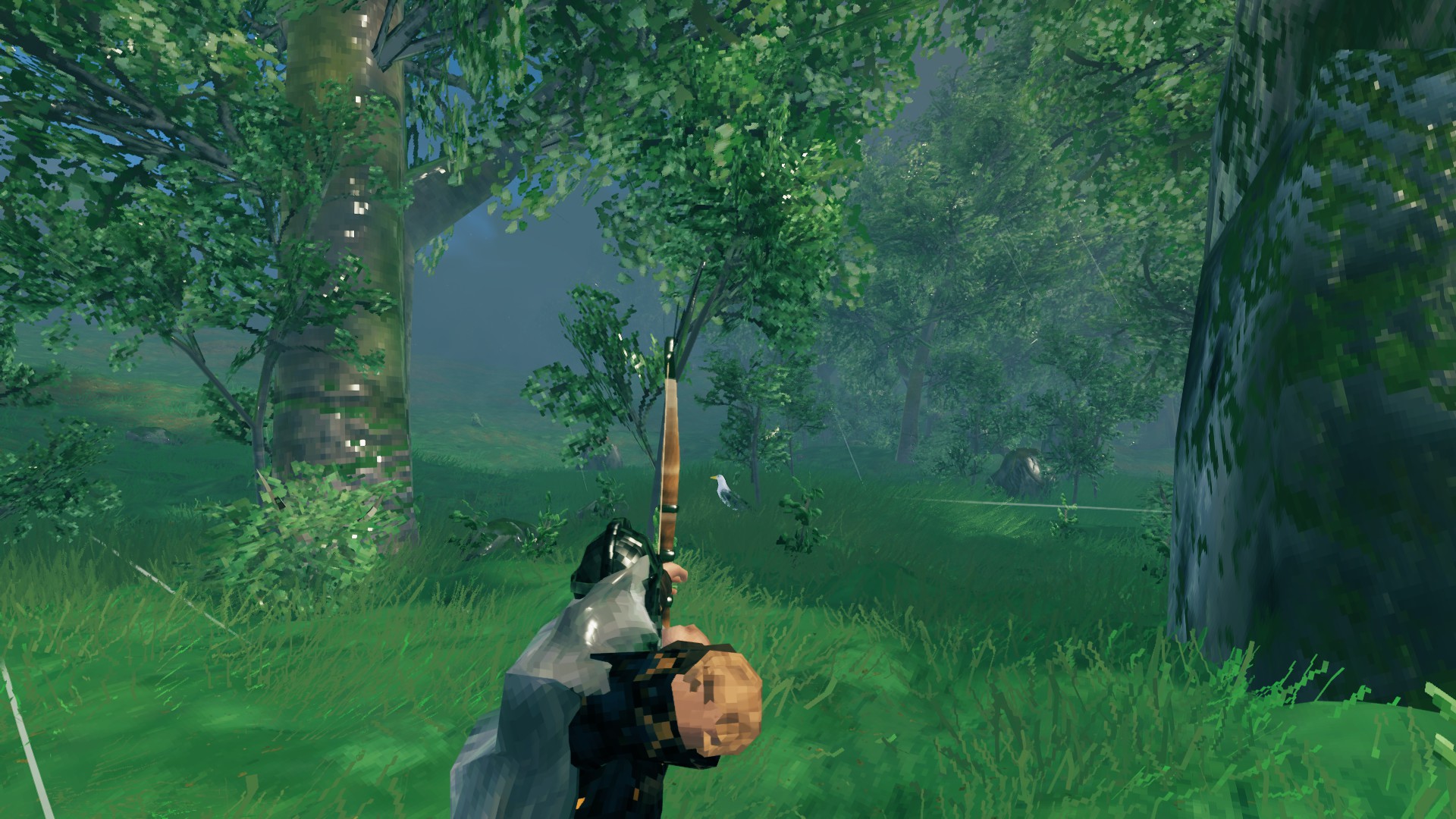
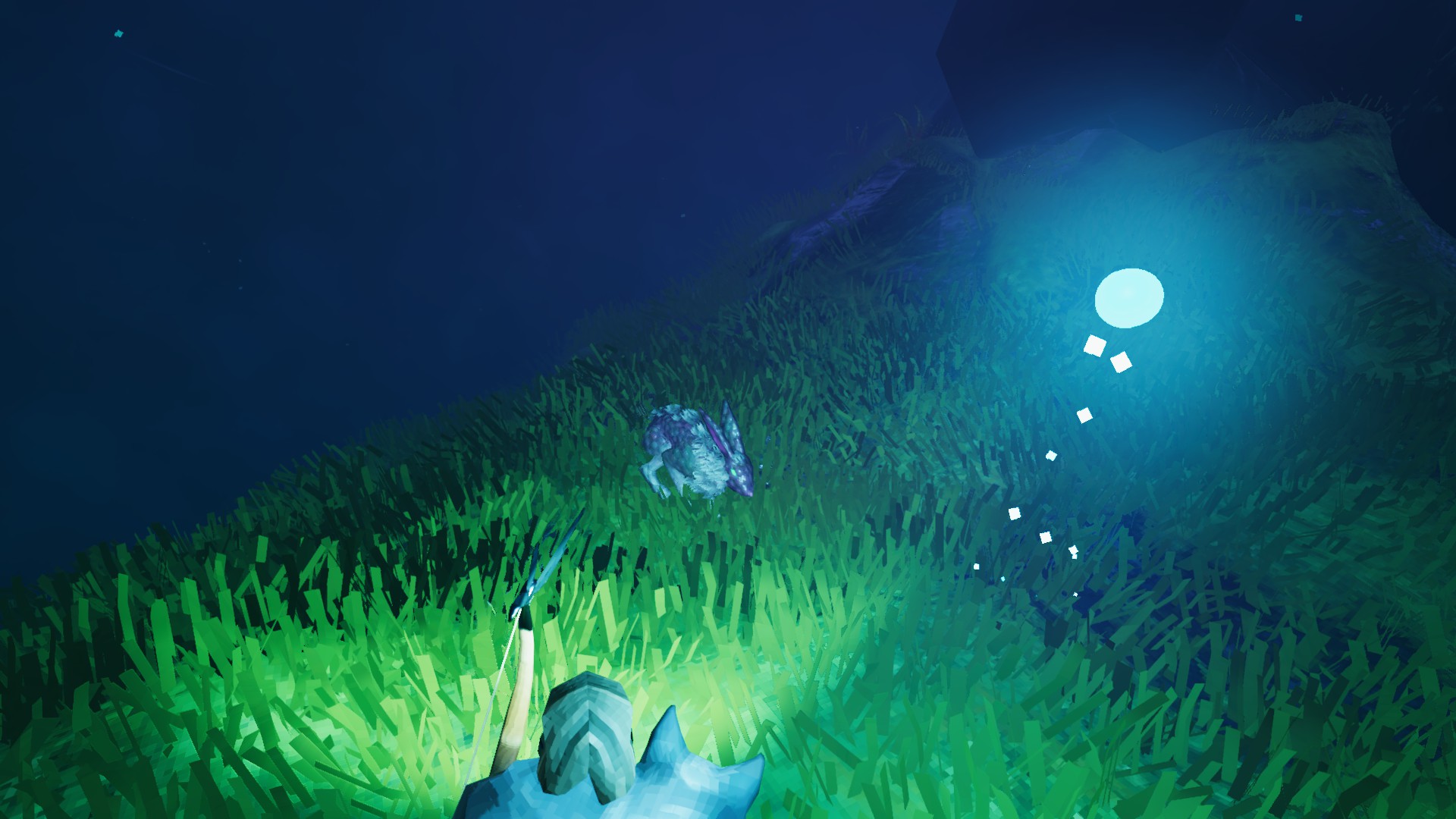
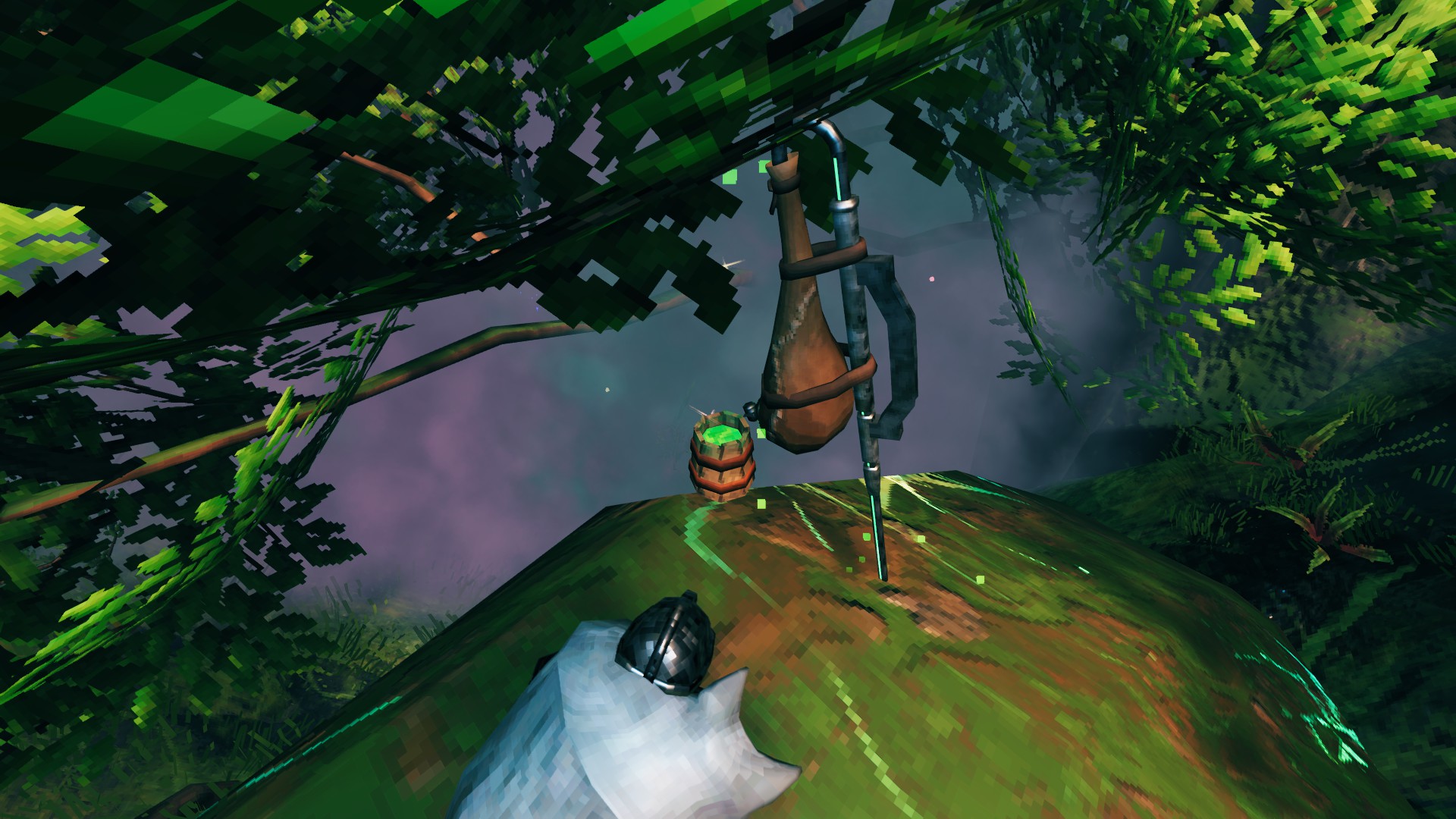
Mistlands was the first biome added to Valheim after the game’s initial Early Access release. As a result, the biome throws plenty of tough challenges at us, while also introducing unique Mistlands-specific mechanics that make it harder to navigate. This guide will share 10 tips to help you find your way through the Mistlands and deal with the tough foes that inhabit them.
Mistlands Tips
Be ready to dispel the mist with Wisplights, Wisp Torches, and the Mistwalker
Use a lot of map markers
Always carry the materials for a portal
Prioritize crafting a Feather Cape
Use ranged weapons and Atgeir AoE attacks when fighting the Gjall
Befriend the Dvergr dwarves and use tricks to obtain their resources without aggroing them
Start using Viking magic
Prioritize stamina while exploring
Set up a mushroom farm near Ancient Roots
Mine Soft Tissue from inside petrified giant skulls and take it from the Dvergr
Repelling the Mist
The constant shroud of mist is the main reason why the Mistlands is in the running for Valheim’s most annoying biome, even if it’s not the hardest one. Without a way to repel the mist, you’ll get lost and turned around in no time. Being able to deal with the mist is the key limiter on exploring the biome. These are the tools that will help your pierce the mist:
Wisplight (Silver, Wisp)
Wisp Torch (Yggdrasil Wood, Wisp)
Mistwalker (Finewood x3, Iron x15, Refined Eitr x10, Wisp x3)
Wisplight
You get your first and main way of repelling the mist after defeating Yagluth, the boss of the Plains biome. When you loot a Torn Spirit dropped by Yagluth, you’ll be able to use a Stonecutter station to combine it with 10 Stone and craft a Wisp Fountain.
During the night, a Wisp Fountain will start attracting Wisps. You’ll need to manually collect them while it’s dark out. Since all of the mist-repelling tools require Wisps, be sure to collect some spares. And better yet, if you’re willing to fight Yagluth again, create several Wisp Fountains. If you do, make sure to spread them far apart to avoid overlapping the Wisps they harvest.
A Wisp Fountain at night
When you have your first Wisp, go to a Workbench and combine a Wisp with a bar of Silver to create a Wisplight. It summons a Wisp to you that acts as a light source that repels the mist. Unfortunately, it goes in the same slot as the Megingjord belt, making it harder to carry a lot of resources in the Mistlands.
Wisplight’s description. Make sure to equip it.
Keep in mind that it takes some time for a Wisp to clear the mist, meaning you will generally want to avoid sprinting too much in the Mistlands. Instead, take it slow if you’d like to see where you’re going.
Wisp Torch
A Wisp Torch is a standing torch that repels the mist and doesn’t require fuel. It doesn’t stop enemies from spawning nearby like a regular torch, but if you want to make sure an area is free of mist, these are your best bet.
Crafting a Wisp TorchWisp Torch in action
Mistwalker
The Mistwalker is a sword-type weapon. In fact, it’s one of the best weapons in the game, especially when upgraded, and will carry you not only through the Mistlands but also the following Ashlands biome. Its mist-repelling range isn’t as good as that of the other tools, but it can still be very useful.
Marking Your Map
With how persistent and pervasive the mist is, it can be very hard to navigate inside the Mistlands. Especially when you consider the biome’s uneven rocky terrain. So, to avoid getting lost, whenever you find a point of interest, be it a Dvergr camp, a resource-rich area, or a dungeon of some sort – make sure to place a marker on your map, so you know exactly where it is.
The beginning of a Mistlands journey
Stock Up on Portal Materials
While it’s good to have a permanent portal to the Mistlands in some safe spot, get in the habit of carrying the materials to build an emergency portal (Greydwarf Eye x10, Finewood x20, Surtling Core x2). Combine it with an unconnected portal back in your main base. This way if you get in a tight spot or find yourself stuck on a cliff or between some jagged rocks, you’ll always have a way to escape.
Craft a Feather Cape
The terrain inside the Mistlands biome is craggy and uneven. It’s made worse by the fact you can’t see very far even with a Wisp guiding your way. With how tricky it can be to retrieve your lost gear there, you really don’t want to fall victim to something as trivial as fall damage.
Luckily, once you get your hands on some Mistlands resources, you’ll be able to craft a Feather Cape (Feather x10, Scale Hide x5, Refined Eitr x20). You get Feathers from birds and various containers throughout the world. Scale Hides are dropped by the Hares inhabiting the Mistlands. And Refined Eitr is the key resource of the biome created by combining Sap with Soft Tissue at an Eitr Refinery (Black Marble x20, Black Metal x5, Yggdrasil Wood x10, Black Core x5, Sap x3).
Bird feathersHare hidesSap for Eitr
This means you’ll need to explore the biome before you can craft the cape. But when you do, it will provide you with the Feather Fall passive that will slow your falling speed and nullify fall damage. Keep in mind that the cape comes with resistance to frost and weakness to Fire. Since some of the biome’s tough enemies like the flying Gjall deal a lot of fire damage, be prepared to take the cape off when dealing with them.
Feather Cape on a cliffFeather Cape in action
Fighting the Gjall
Gjall are giant flying enemies that inhabit the Mistlands. They resemble Overlords from StarCraft and can seem oppressively powerful when you first meet them. Still, using some tricks, you’ll be able to defeat them. Gjall announce their presence with a loud wailing noise. Their main attack deals fire damage, so when you hear a Gjall, be ready to do the following:
Swap your Feather Cape for one that doesn’t make you vulnerable to fire
Prepare a ranged and an AoE weapon
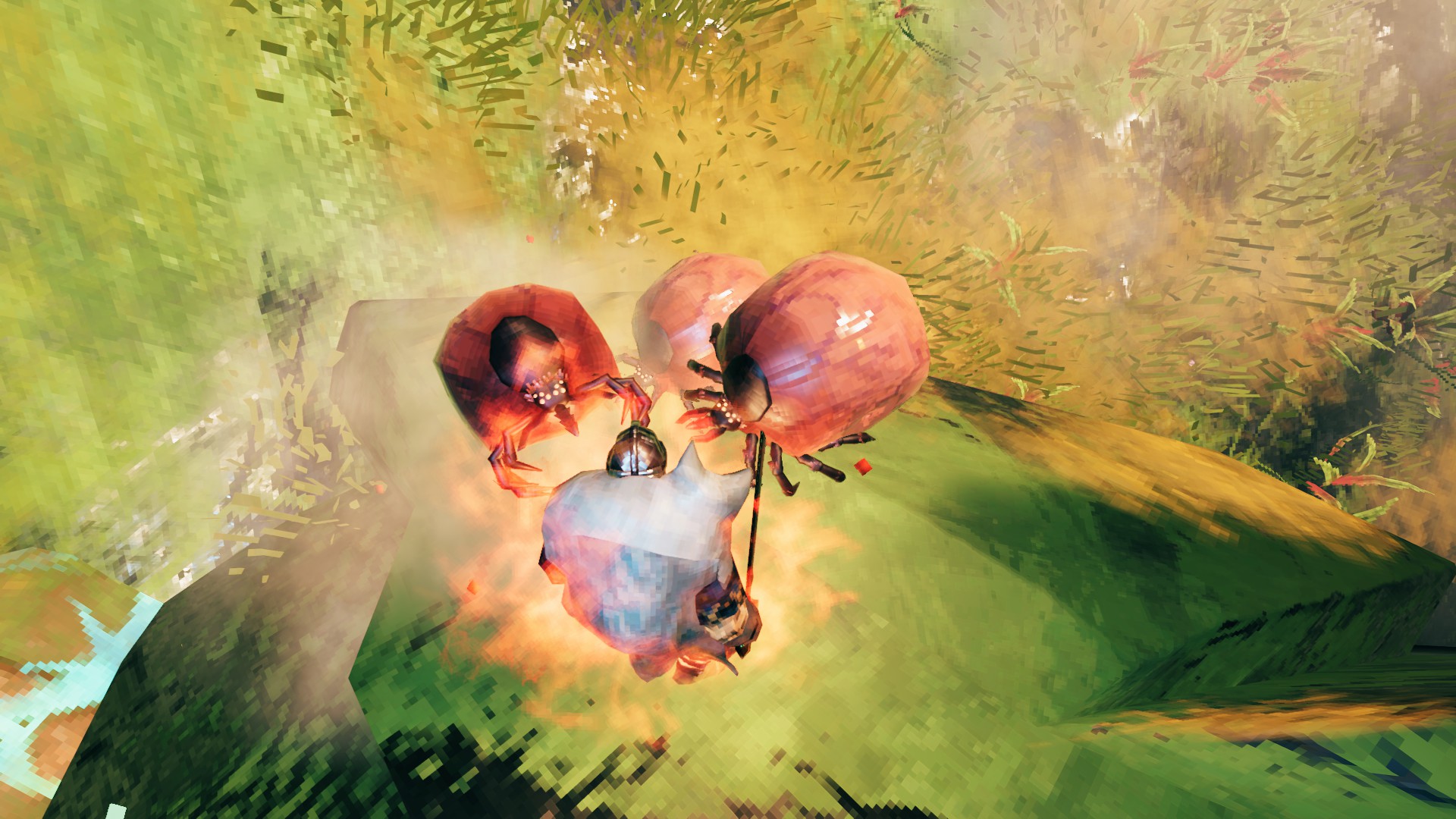
Gjall will fly overhead while shooting fireballs at you and summoning Ticks. Fireballs deal heavy damage, especially if you don’t have a source of resistance. And Ticks swarm you and chip away at your health. Ticks don’t have a lot of health, so AoE attacks work great against them.
Perhaps your best option to fight Ticks during the early stages of the Mistlands is a Black Metal Atgeir (Finewood x10, Black Metal x30, Linen Thread x5) that has a spin attack as its secondary. And should you get Ticks on you, you should immediately start dodge rolling to shake Ticks off.
Once Ticks are not an immediate issue, you should focus your attacks on the Gjall. Since they keep flying, it can be hard or impossible to hit them with melee weapons. So, you’ll want something with range. Your best options for that in the Mistlands are the Arbalest (Wood x10, Iron x8, Root x4) and the Staff of Frost (Yggdrasil Wood x20, Freeze Gland x4, Refined Eitr x16). The Staff of Frost is especially good since the Gjall is vulnerable to frost damage. When fighting one, make sure to aim for its exposed glowing belly. It takes extra damage, and hitting a Gjall there can stagger it, interrupting its attacks.
Flying GjallSwarming Ticks
Another thing you can do when facing Gjall, especially during the early stages of your Mistlands exploration, is to lure them to Dvergr outposts. The dwarves inside will start off friendly to you unless you hit them first. They’ll help you fight the Gjall and act as a good distraction, allowing you to actually deal damage to the beast.
Dealing with the Dvergr
All throughout the Mistlands, you’ll find friendly outposts populated by Dvergr Rogues and Dvergr Mages. These dwarf-like humanoids stick to their bases and attack any monsters that come near their domain. As a result, Dvergr outposts can act as safe havens inside the challenging biome.
One of Dvergr outposts
Should you attack a Dvergr or try to steal from them, they’ll turn hostile. This will only happen within that particular outpost. The others will remain friendly until you attack them too. Keep that in mind since you’ll want to antagonize the Dvergr at times to get to the resources they have. For example, one of the crucial components of the entire biome, Dvergr Extractor, can only be found inside Dvergr Component Crates.
If you want to both steal the Dvergr resources and have them remain friendly, you can actually use some tricks to do it. The idea is to destroy the Dvergr crates and Wards without using any attacks. If the damage doesn’t technically come from you, the Dvergr won’t turn aggressive. And if a crate is already destroyed, you can safely pick up the loot.
Dvergr Component CrateDvergr Ward
The best ways to deal indirect damage to Dvergr property is to either drop a stack of Refined Eitr near it. Refined Eitr periodically damages everything around it, allowing you to destroy Dvergr stuff without getting your hands dirty. Another method involves building a Cart, wheeling it inside a Dvergr outpost, and ramming the Cart into Dvergr Wards and boxes. The ramming damage doesn’t technically come from you, so the Dvergr won’t mind.
Drop Refined EitrWatch it break cratesRamming a cart
Using Magic
While the level of challenge increases in the Mistlands, the game balances that out by giving us new tools to deal with it. The biggest of those is the Viking magic that runs on the new Eitr resource. And while you sure can become a full-blown spellcaster within the Mistlands and beyond, some of the spells you get are useful to any character type.
The main crafting station for magic-related stuff is the Galdr Table (Black Metal x10, Yggdrasil Wood x20, Black Core x5, Refined Eitr x5). You should have some Black Metal left from your Plains adventures. Yggdrasil Wood is harvested from Yggdrasil Shoots within the Mistlands with a Black Metal Axe or better. Black Cores are located inside the Mistlands’ dungeons – Infested Mines.
Fulings drop Black MetalYggdrasil ShootBlack Cores
And to obtain Refined Eitr, you’ll need to steal a Dvergr Extractor, combine it into a Sap Extractor (Yggdrasil Wood x10, Black Metal x5, Dvergr Extractor), then use that to harvest some Sap. You’ll then combine Sap with Soft Tissue at an Eitr Refinery into Refined Eitr.
Galdr TableGaldr Table crafting
Once you have the Galdr Table, you’ll be able to start crafting magic weapons. Some notable ones include the Staff of Frost that deals good damage and helps you charge your Trinkets faster, Staff of Protection that surrounds you in a strong shield, and Dead Raiser that summons skeletons to distract your enemies.
To use magic, you’ll need to first eat an Eitr-rich food to unlock your Eitr resource bar. These will enter your recipe book within the Mistlands. You can check out our best food for each biome guide to learn the options. Some examples include Seeker Aspic and Stuffed Mushroom. Using the Galdr Table you’ll also be able to craft your first set of magic armor, the Eitr-weave set. When you wear all three pieces without upgrading them, you’ll be granted 48 Armour and +100% Eitr regen.
Prioritize Stamina
The terrain of the Mistlands biome is full of jagged rocks and sudden drops. You’ll likely need to do more climbing there than you did in the Mountains. And you’ll be doing it in very poor visibility. This means you’ll want to prioritize stamina-rich foods. Before you start dabbling in magic, make sure you have 2 stamina foods and one health food while exploring the Mistlands. Once again, consult our best food per biome guide to learn what your options are.
Additionally, you might want to use the Eikthyr Forsaken Power to help conserve your stamina.
Mistlands Farming
Mistlands introduces a couple new farmable mushrooms – Jotun Puffs and Magecap. Both of these are used in a wide variety of recipes, and especially Magecaps will help you unlock your spellcasting potential. They can only grow in the Mistlands, and with how poor the visibility is in the biome, manually gathering these mushrooms is not really viable. You’ll want to farm them.
You do it like you would any other crop with the Cultivator tool, just in the Mistlands. As long as you’re within the biome, the mushrooms will grow. However, a crucial part of this biome’s progression revolves around Refined Eitr. To get it, you’ll need to extract a lot of Sap from Ancient Roots. And those are harder to find. So, to save yourself needless legwork, make sure to start your mushroom farm around where you’ll have your Sap Extractors.
A farm in the Mistlands
Mining Soft Tissue
Soft Tissue is another important and hard to obtain resource within the Mistlands. Despite its name and visuals, it’s actually an ore you have to mine. It can be less than obvious where to get it. The main source of it lies withing the giant Petrified Skulls scattered throughout the Mistlands. You’ll need a Black Metal Pickaxe to crack the outer shell and then mine the Soft Tissue inside.
Petrified SkullSoft Tissue inside
You’ll also find Soft Tissue inside Dvergr crates. The dwarves themselves will also drop some of it with a 25% chance. So if you end up antagonizing a Dvergr outpost, or if some of them fall when fighting the other dwellers of the Mistlands, make sure to loot them.
Share this article:
Val Hull
Resident role-playing RPG game expert. Knows where trolls and paladins come from. You must fight for your right to gather your party before venturing forth.